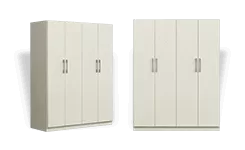
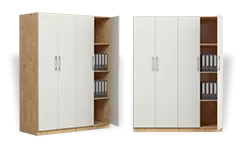
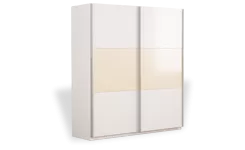
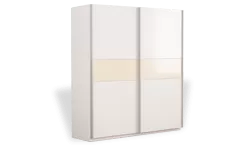
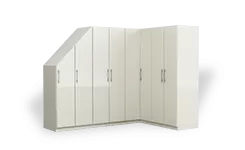
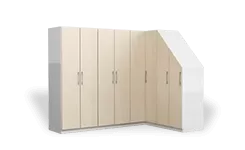
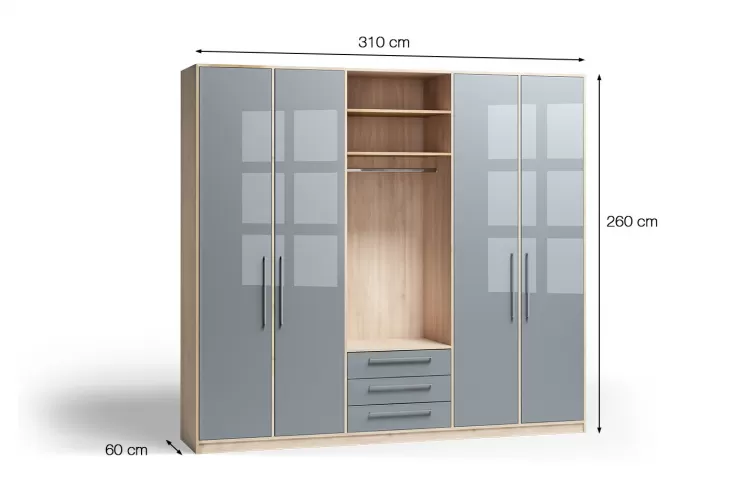
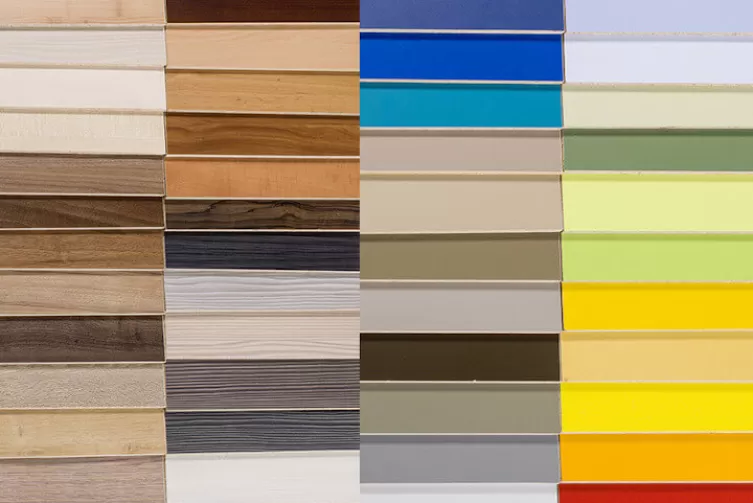
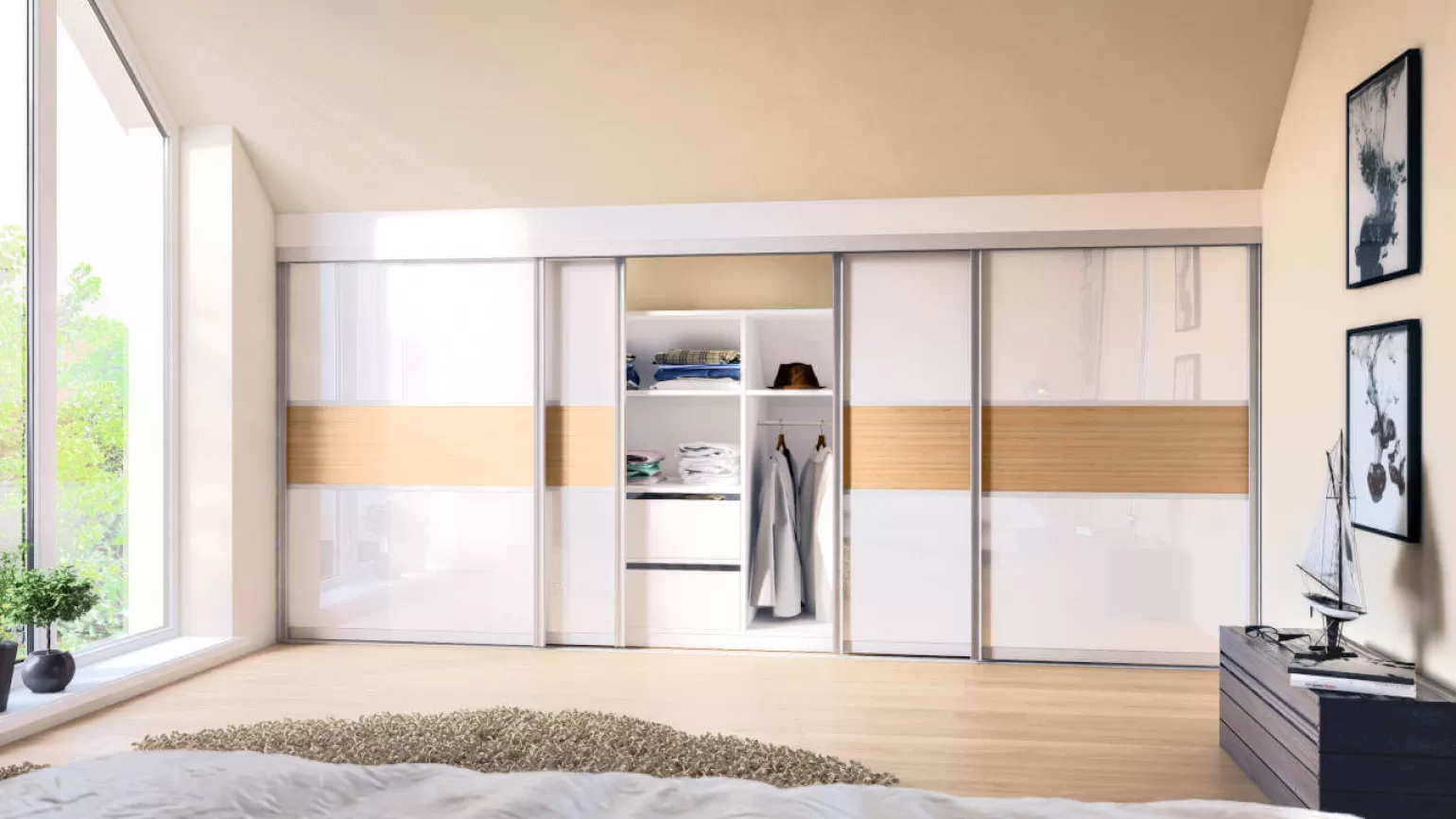
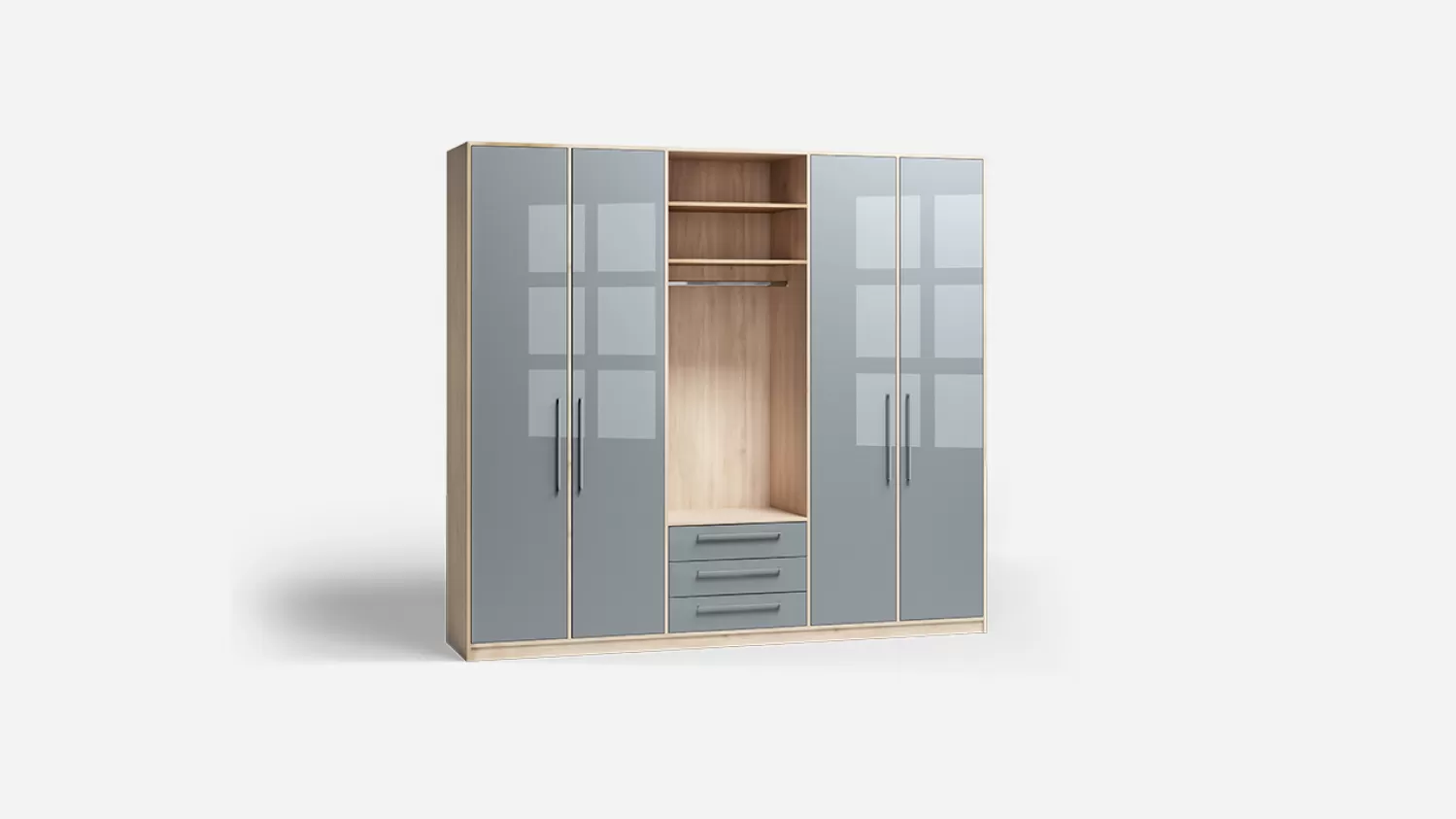
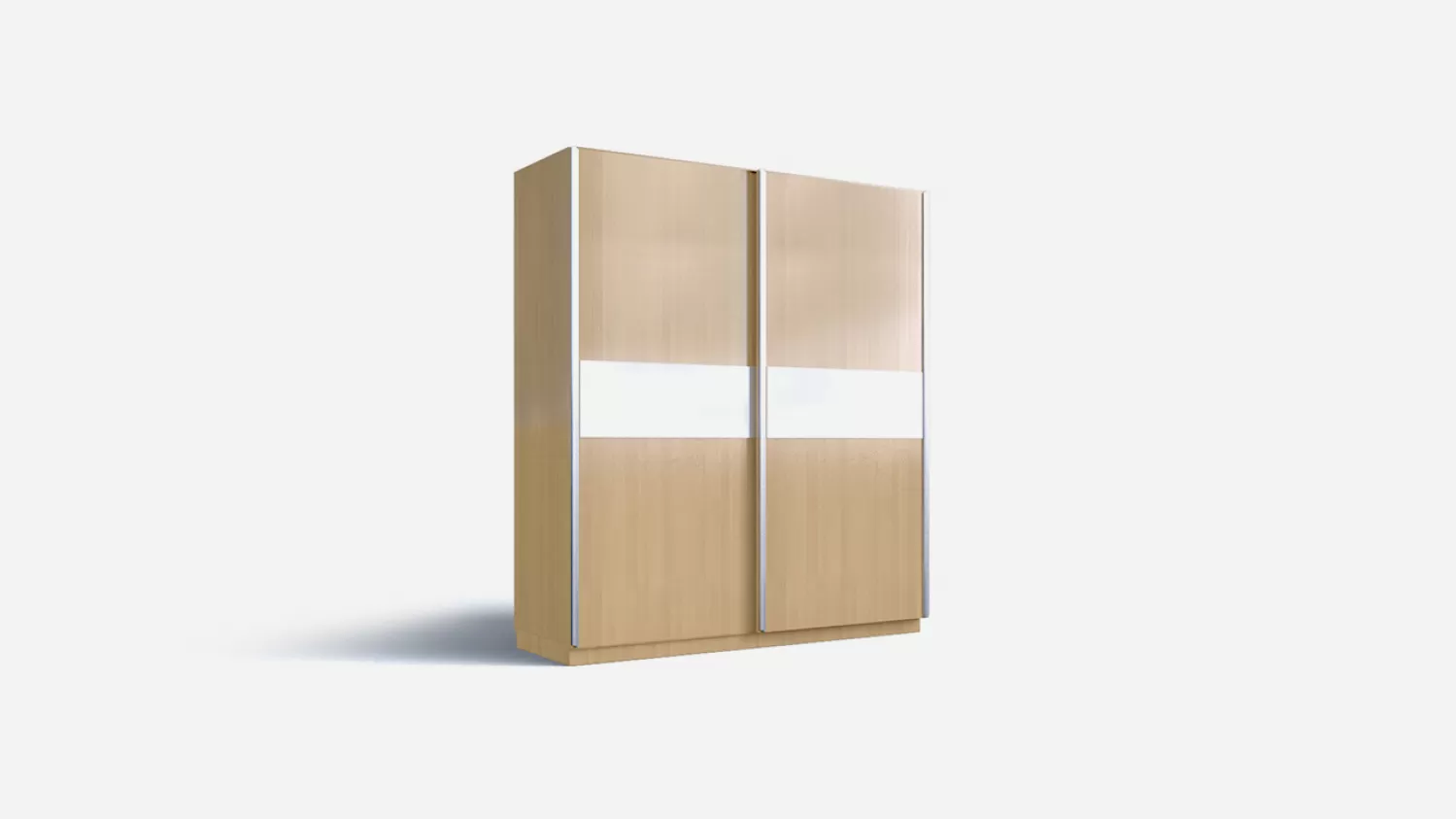
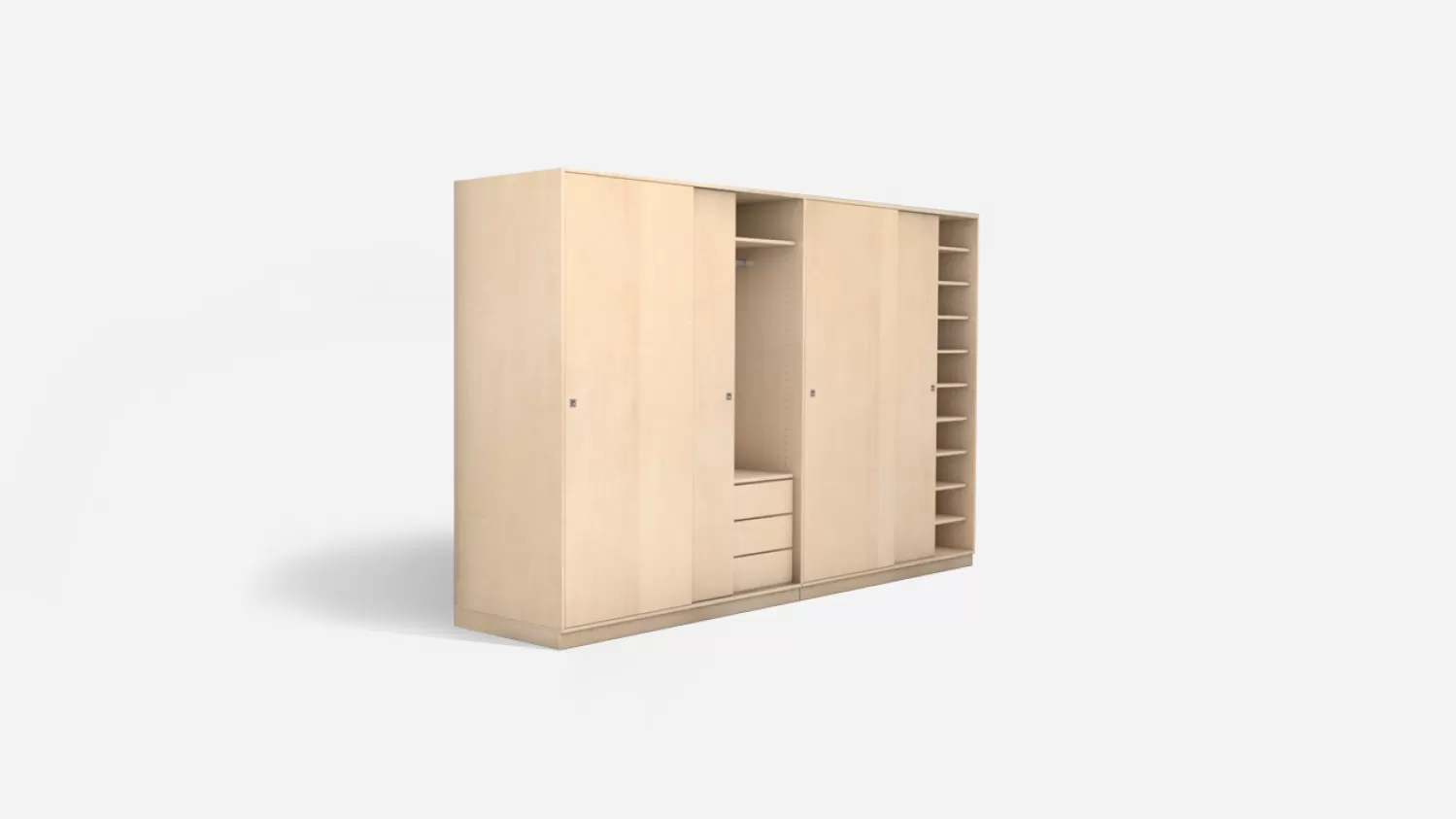
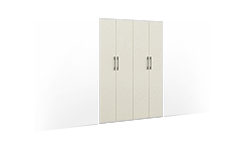
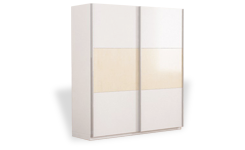
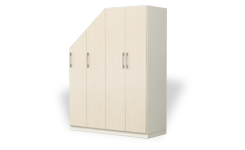
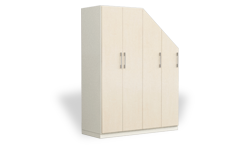
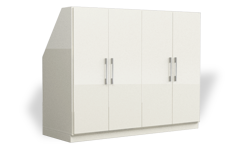
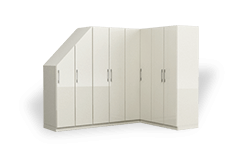
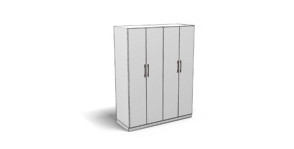
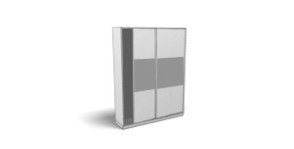
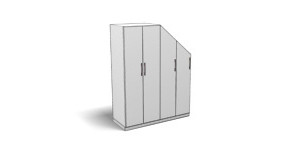
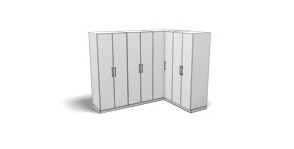
At Furnfab.com, you can customise your wardrobe to make it your perfect solution. The options in the
wardrobe configurator are nearly limitless, allowing you to adjust dimensions, interior layout, and of course, visual design according to your preferences. In just a few minutes, you can create your custom wardrobe. In the final step, you can view your wardrobe in a 3D model and then order your custom wardrobe online via our secure portal. In the following sections, you’ll find some ideas for configuring your wardrobe affordably while ensuring quality and uniqueness.
Design a Wardrobe Like in the Early 20th Century
In the Art Nouveau style, furniture designers turned away from historical forms to create a completely new direction. Their designs were characterised by curvy lines, asymmetrical patterns, and ornaments—especially tendril, flame, and floral motifs that adorned wardrobes of the time. A hallmark of Art Nouveau is lacquered wood—found in furniture, wall decorations, and even flooring. The furnishings were mainly composed of high-quality individual pieces, handcrafted exclusively. Manufacturers resisted the impending industrial mass production.
The contrasting programme began with Art Deco around 1920. This style is named after the "Exposition Internationale des Arts Décoratifs et Industriels Modernes," which took place in Paris in October 1925. Floral and ornamental elements were replaced by a simple, strict, and geometric design that could be easily manufactured using industrial techniques. Typical of this period were primarily high-quality woods and the use of exotic materials like tortoiseshell, leather, snakeskin, or parchment. Designing a wardrobe based on the early 20th century is now—without parchment or snakeskin—easily achievable with the Furnfab.com wardrobe planner!
Customise Your Wardrobe in the Bauhaus Style
The Bauhaus school was founded in 1919 by Walter Gropius—but was dissolved by the Nazis in 1933. To this day, this era is visible in architecture and design and has many fans. Gropius made no distinction between different art forms; in his view, all artworks ultimately converged in architecture. The wardrobe also contributed to this idea. It was primarily about function and impact within a space.
For furniture design, the goal was to develop items for everyday needs, where form followed functionality. This principle made the furniture pieces unique and led to their remarkable simplicity. To this day, works by Bauhaus artists can be found in our homes, often adapted and further developed. Particularly well-known is the cantilever chair—also called the "Kragstuhl"—which even has its own museum in the Weserbergland. You too can design your wardrobe in the Bauhaus style. Use a clear design language and a simple facade to secure your Bauhaus statement.
The Eastern Charm: Wardrobe for the New Person
The ideal of interior design in the GDR was heavily influenced by Bauhaus principles and shaped trends in the 1970s: form should follow function. There were no frills to distract from the wardrobe. Subdued colours and simple shapes came together in a minimalist manner. Natural materials and domestic production were key principles for designers in the former GDR.
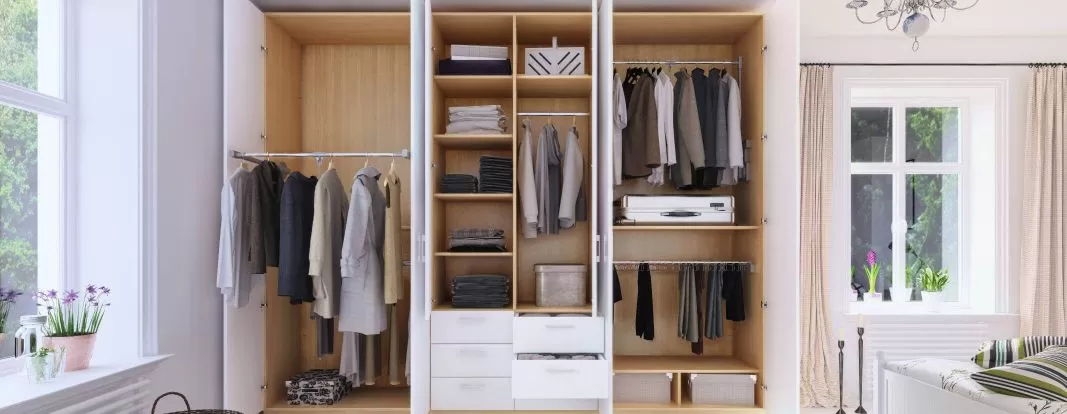
Notable furniture pieces from this era include the multifunctional table (MuFuTi) and the classic upholstered armchair. Yet, true variety can hide within a simple exterior! Whether you’re planning a wardrobe for children or for your bedroom: take advantage of the wide selection of interior elements to customise your wardrobe to meet your needs. A simple wardrobe can feature lighting, a clothing lift, or adjustable shelves—truly a luxury not just for the little ones in the household.
The Second Half of the 20th Century
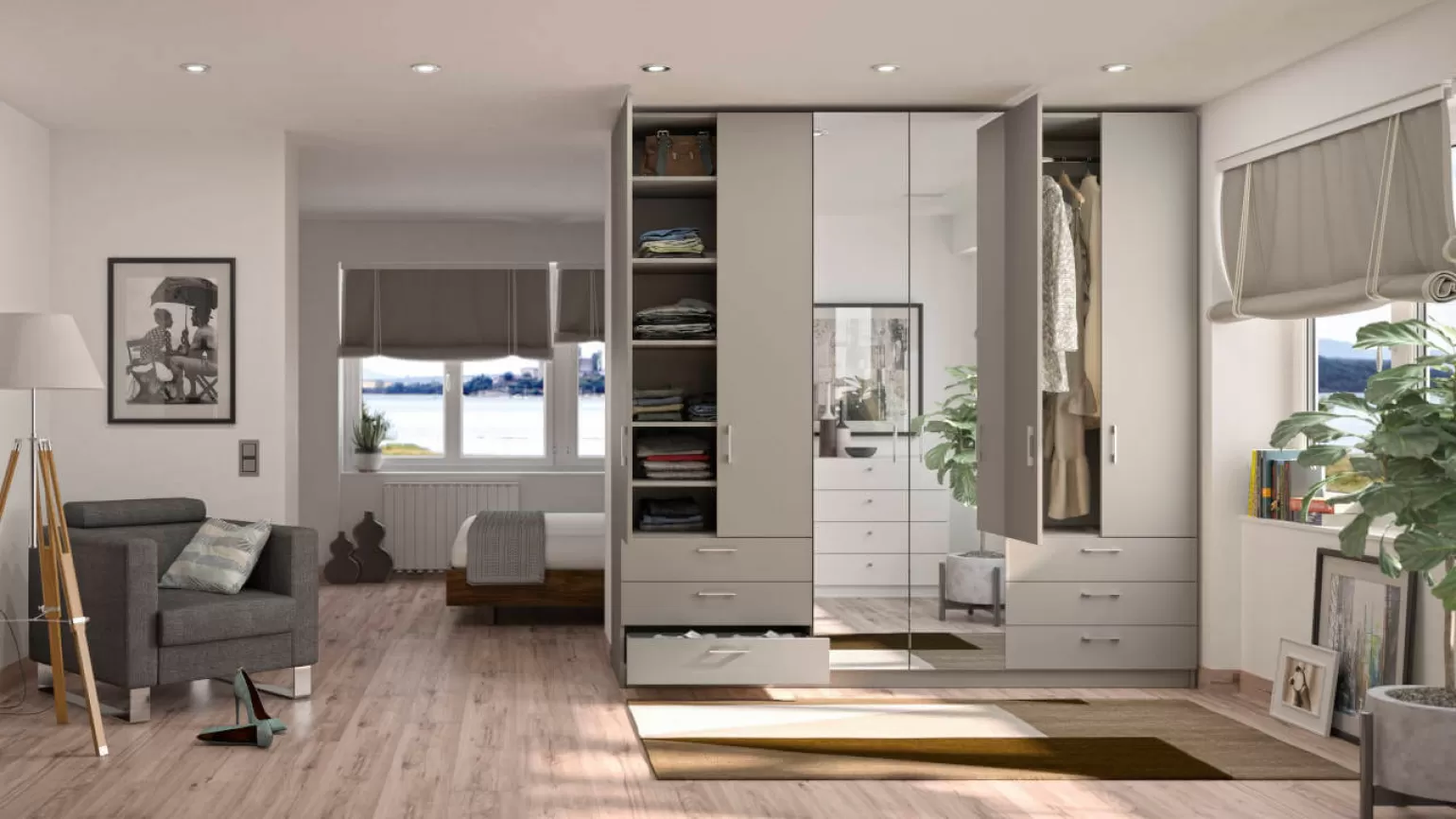
The organic and functional forms of the Bauhaus style dominated the 1950s, producing classics like the kidney table and lounge chair. Wardrobes from this time were still influenced by a clear design language. However, it was here that the mirrored wardrobe became fashionable and has maintained its place among the most popular wardrobes to this day.
This period was seen as a turning point towards a completely new culture of living, which also included the founding of the first furniture company for self-assembly: mail-order furniture from catalogues for every budget. By the end of the 20th century, styles had mixed significantly. There was no longer a distinct stylistic direction; instead, it became colourful and exuberant. Quality took a backseat during this time, and price largely determined purchasing decisions.
The Individual Wardrobe of Today
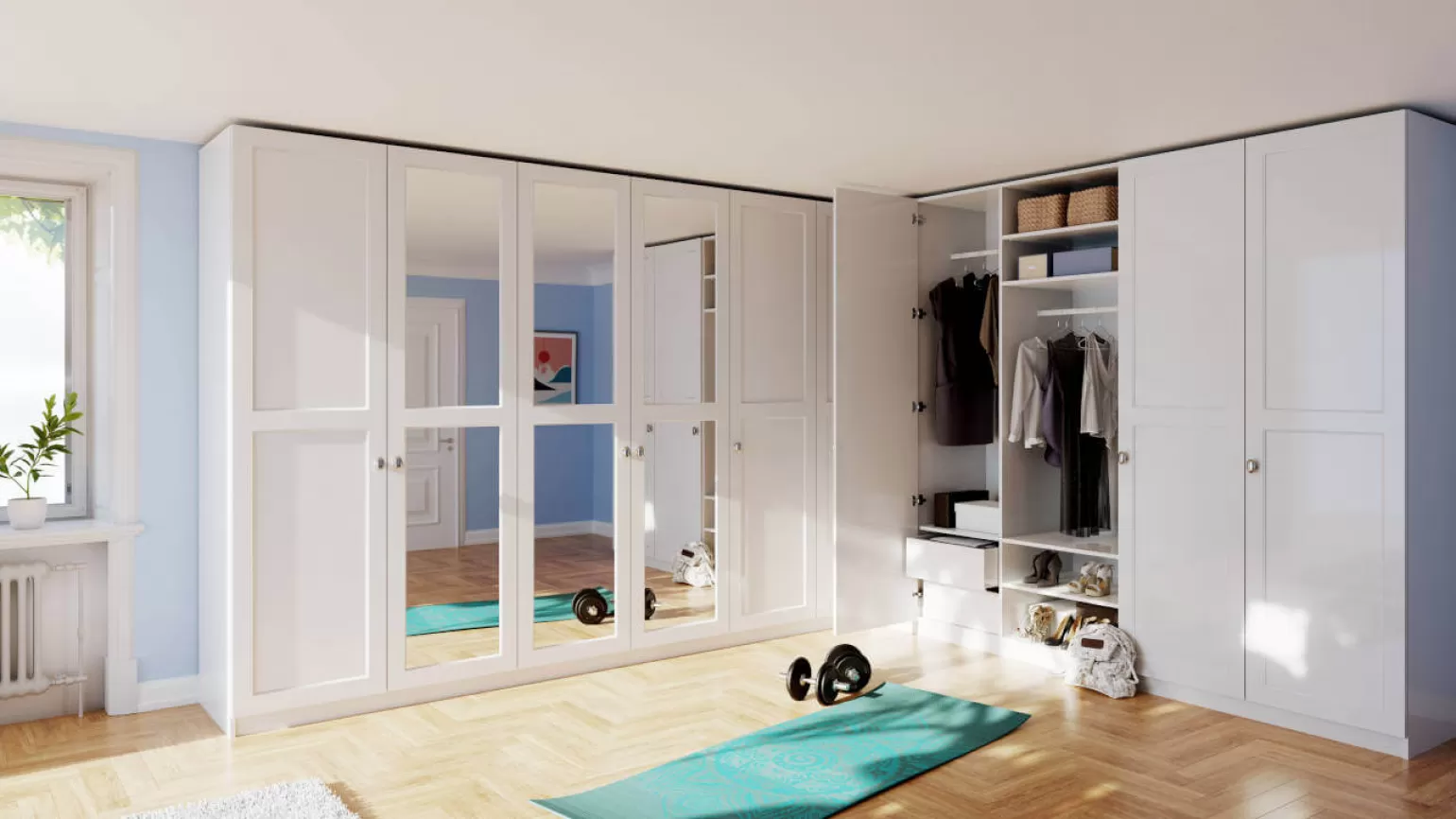
In the uniformity of the 21st century, various trend movements have emerged. If a wardrobe is white, it is highly sought after. At the same time, there is also a desire for uniqueness and individuality in furnishing. Thanks to modern manufacturing techniques, a wardrobe can be customised in carpenter quality and at a fair price-performance ratio, all "made in Germany."
In the wardrobe planner at Furnfab.com, you can specify all your wishes regarding dimensions, appearance, layout, and features, adapting your wardrobe to the specifics of your home—conveniently from home in front of your computer. If you need assistance, feel free to reach out to our service team. We are happy to help with any questions regarding measurements, features, and delivery!












 Spring offers made to measure: Now up to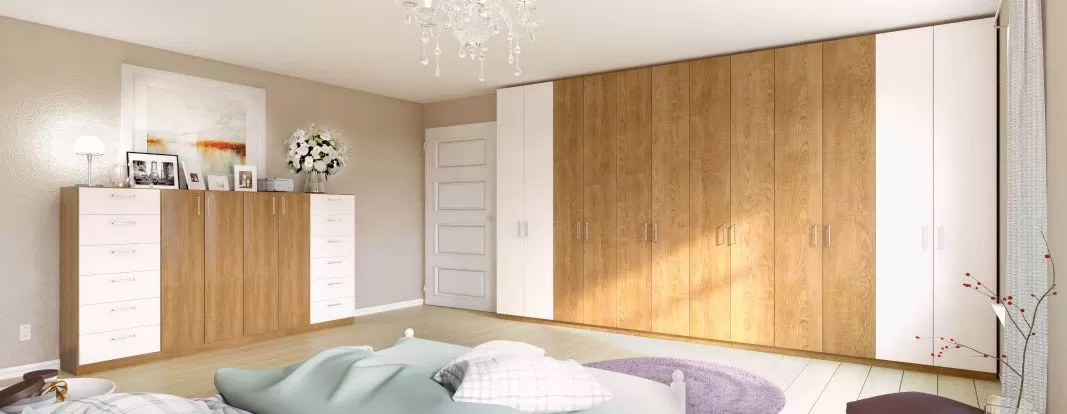















 Back to overview